Share This Article
OnlyFans ranking sites publish card-style summaries that combine price, subscriber counts, and activity signals, but each card is a frozen snapshot that starts aging the second it is written. BestOnlyFans and similar projects exist because the platform has no built-in discovery feed, so subscribers depend on third-party lists to find pages. The title promises a method for reading that decay, and the method is simple: treat every ranking card as dated material, not live truth.
A card built this morning may already be wrong by the afternoon. Prices change, pages go free or paid, and engagement spikes or stalls. The skill worth learning is not memorizing which list is accurate, but reading the signals that reveal how old and how reliable each entry is.

How Ranking Sites Collect and Cache OnlyFans Data
Most ranking sites run a pipeline rather than a live connection. A collector fetches public profile pages on a schedule, stores the raw values in a database, and a separate process renders those stored values onto cards. The gap between fetch and render is where staleness begins.
Platform-side limits shape the schedule. Rapid repeated requests trigger rate limiting, so collectors space their runs across hours or days. That means a card can show a price from a batch run that finished long before you loaded the page.
| Collection Method | Frequency | Staleness Risk |
|---|---|---|
| Automated crawler on public profiles | Every 6-24 hours | Moderate: misses same-day changes |
| Batch refresh of full database | Weekly | High: up to seven days behind |
| Manual editor verification | Per-card, irregular | Low for checked cards, unknown for the rest |
| Hybrid crawl plus editorial pass | Daily crawl, weekly review | Low to moderate depending on card |
Each approach trades speed against cost. A weekly batch is cheap to run but produces cards that describe a platform state from days ago. A daily crawler narrows the window without closing it.
Manual verification produces the freshest entries, but only for the cards an editor actually opened. Everything else in the database keeps its original timestamp and its original drift.
Visual Signals of Stale Ranking Cards
You do not need backend access to judge a card’s age. The surface of the entry usually tells you enough. A timestamp printed as a bare date, a price that ends in an odd digit, or a ratio that does not match the numbers beside it are all readable warnings.
- Timestamp older than seven days for a price field.
- Price ending in a non-standard digit, suggesting a stale cache rather than a live read.
- Engagement ratio mismatch, such as high subscriber counts with almost no recent likes.
- Creator flagged as inactive while the page still accepts new subscribers.
- Missing promotional flag during a period when the creator advertises a discount elsewhere.
Timestamp formatting matters more than most readers expect. A card that shows a full date and time is easier to trust than one showing only a month, because the vague version hides how much drift has accumulated.

A price that ends in a clean platform number, like $4.99 or $9.99, matches the standard increments creators actually use. A card showing something like $7.43 is almost always a rendering artifact of a cached value, not a real subscription price.
Tip: if a card’s price field does not match the increments the platform uses, assume the card is wrong before you assume the creator is unusual.
Price History Gaps and Missing Updates
Price charts on ranking sites are assembled from snapshots taken at different times. When a creator changes something between two snapshots, the chart either interpolates a value that never existed or skips the change entirely.
Promotional pricing creates the largest gaps. A first month offered at a reduced rate is a legitimate promotion, but a collector checking on a different day may record either the promotional figure or the base figure with no way to tell which.
| Change Type | Card Display | Actual Platform |
|---|---|---|
| Free page converts to paid | Still listed at $0 | Base price now $4.99 or higher |
| Promotional first month ends | Promo figure shown as standard | Standard price restored at renewal |
| Creator raises base price | Old lower figure retained | New price applies to new subscribers |
| Paid page switches to free | Old paid figure retained | Page now $0 with PPV messages |
| Page temporarily paused | Card still active | No new subscriptions processed |
Mid-cycle changes are the hardest to chart. When a creator raises the price, auto-renew stops and existing access lasts until the paid period ends. A card that ignores this detail can make a renewal look automatic when it is not.

Free-to-paid and paid-to-free conversions also reset the meaning of every figure on the card. A $0 entry means the creator earns through pay-per-view messages and tips, not that the page is inactive or low value.
Cross-Verification Protocols Before Subscribing
Before any payment, confirm the current price on the creator page itself. The ranking card is a starting point for discovery, not a checkout reference. Four steps close most of the gap.
- Read the ranking card timestamp and note how many days old it is.
- Check the creator’s linked social profile for a recent price mention or promotion post.
- Load the creator page in a private browser window to see the live price without account history affecting it.
- Compare the figure against at least two other ranking sources before deciding.
The private-window step matters because logged-in sessions can show cached pages or account-specific offers. A clean load shows the price a new subscriber would actually pay.
If two or more sources agree and the live page matches, the card is probably fresh enough. If they disagree, trust the live page every time. Learning to recognize misleading offers is a related habit worth building, and the same skepticism applies to ranking data.

Keep the cancellation screen in mind as well. Knowing how to leave a subscription easily makes it safer to test a page whose card looked convincing but whose live state you have not yet confirmed.
Engagement Metrics That Outdate Fastest
Not every field on a card decays at the same rate. Subscriber counts and post activity move constantly, which makes them the least reliable numbers on any ranking entry.
- Total subscriber count, which can shift by large amounts within a single week.
- Last post date, which becomes wrong the moment a creator publishes again.
- Average likes per post, which swings with each new upload.
- Pay-per-view message volume claims, which are rarely verifiable and often estimated.
A card that reports an engagement ratio should be checked against the post dates it lists. If the most recent post is weeks old, the like totals describe a period that has already ended.

Platform-level growth numbers are stable by comparison, but they say nothing about an individual page. A rising platform does not mean a specific creator is still posting, and a card that leans on platform trends is dodging the question.
Using Decay Awareness in Subscription Timing
Timing decisions are where stale data costs real money. A promotional deadline shown on a card may have passed, or a price drop may have already reverted, and subscribing on the strength of either is a wasted payment.
- Expired promotion still displayed as active.
- Missed price drop that ended before the card refreshed.
- Committed to a page that has since been deleted.
- Auto-renew miscalculation based on an outdated renewal figure.
- Bundling decision made on a multi-month rate that no longer exists.
The practical response is patience. If a card is more than a week old, wait for a refresh or verify directly rather than acting on a deadline that may be fictional.
Budget planning is easier when you treat every card figure as an estimate. Setting a monthly cap and sticking to it protects you from price drift in either direction.
BestOnlyFans Refresh Methodology and Subscriber Trust
A ranking brand is only as useful as its labeling. BestOnlyFans publishes cards with visible refresh dates, so readers can judge age at a glance rather than guessing from formatting.
- Labeled refresh dates on every card.
- Provisional price warnings when a value has not been reverified.
- Manual verification badges on entries an editor has opened directly.
- Historical correction footnotes when an earlier figure was wrong.
Provisional labels exist because a crawled value and a verified value are not the same thing. Marking the difference lets readers weight each number appropriately instead of trusting everything equally. The standard paid range runs from $4.99 to $49.99, and most entries cluster between $5 and $10, so a provisional tag on anything outside that band deserves extra scrutiny. The card-level fields are assembled by crawling public profile pages, which means price, subscriber count, and post activity are only ever as current as the last batch run.
Correction footnotes serve a similar purpose over time. When a card showed a wrong price and it was later fixed, the note records the change rather than quietly overwriting it.
Readers looking for a category example can compare how a niche list handles the same decay problem; the best onlyfans blonde roundups show how timestamps and verification badges change the usefulness of a niche ranking page.

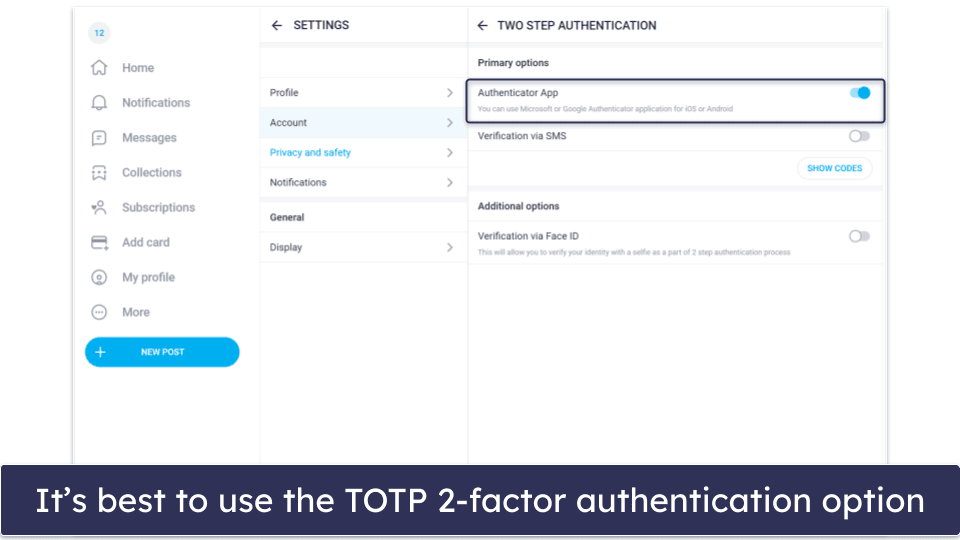
Account security belongs in the same conversation. Enabling two-factor authentication and reviewing active subscriptions monthly keeps both your payment details and your renewal list under your own control.
FAQ
How often do most OnlyFans ranking sites update their price data?
Most run automated crawls every six to twenty-four hours, with full database batches weekly. Cards touched by a human editor are fresher, but the rest of the database can lag several days behind the live platform.
What should I do if a ranking card price differs from the live creator page?
Trust the live creator page. The card is a cached snapshot, while the page shows what a new subscriber actually pays today. Note the discrepancy so you can weight that source lower in future checks.
Why does the ranking site label some prices as provisional rather than verified?
A provisional label means the figure came from an automated pass and has not been confirmed by a person. Verified entries carry a badge because an editor loaded the creator page and read the price directly.
Can stale engagement metrics lead me to overspend on a declining creator page?
Yes. Subscriber counts and like totals age quickly, so a card can describe a busy period that has since ended. Check the last post date on the live page before paying, and treat old engagement figures as historical rather than current.